
I look at the garage myself
I've run this business since 2020 and I still do every estimate in person. I check how the old floor sits and where the water goes, talk through your choices, and price the work your floor actually needs.
Chipping, cracked or holding water? We pour a new garage slab on a packed base, timed so the top wears hard and drains.
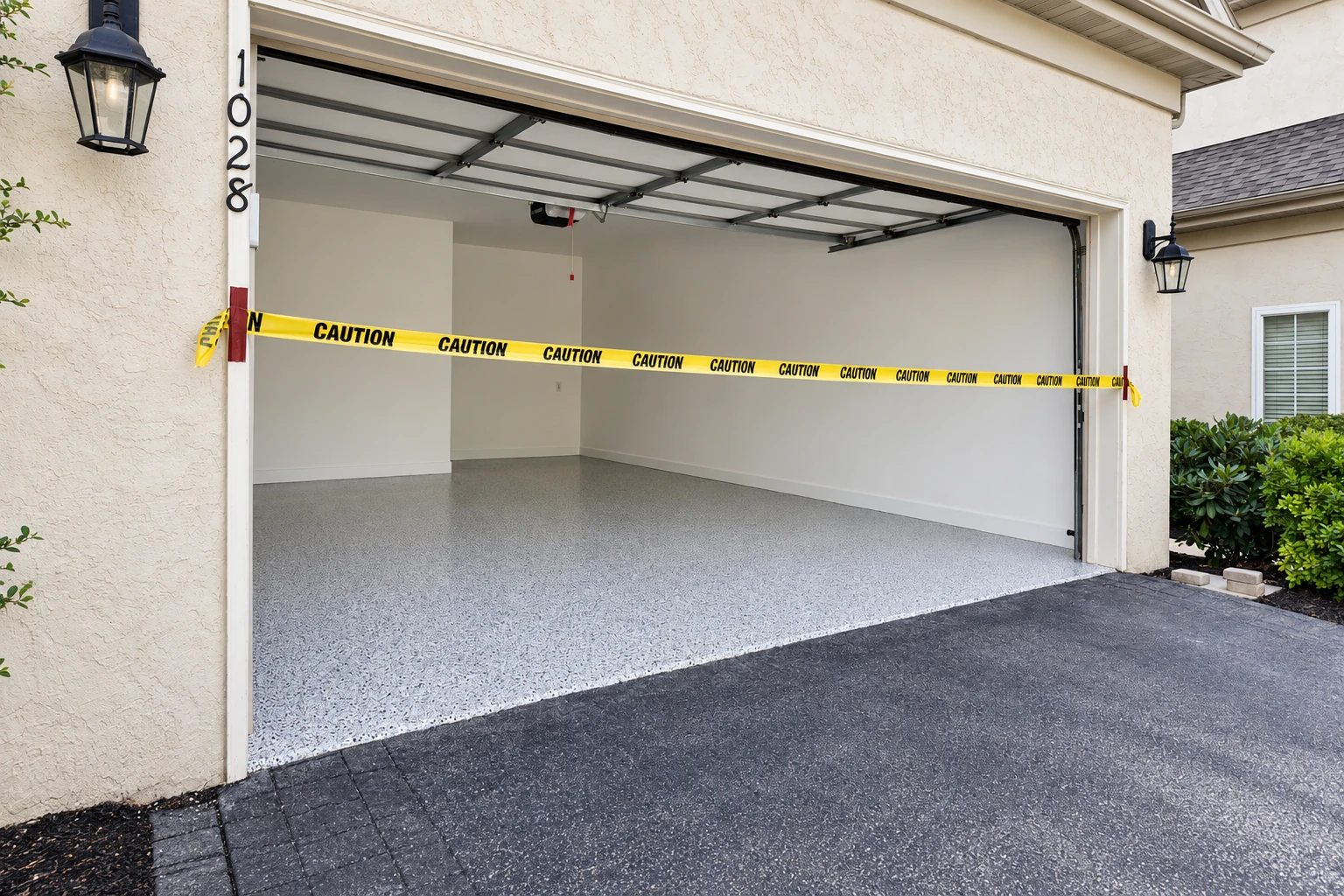
Garage floor concrete in Little Rock is a new slab built thick enough to carry your car, usually with rebar, the steel bars inside that hold the concrete together if it cracks, and poured over a base we dig out and pack first.
A few things set the price: the size of the garage, how far down we dig to reach firm ground, the steel in the slab, and whether you want color or a stamped pattern on top. The schedule turns on the weather, the dig and the cure, which is the time the concrete needs to harden before it takes weight.
I'll give you your own number once I've seen the garage. The City of Little Rock Planning and Development Department issues building permits through its online portal, so I check with the city about what your job needs, and we handle the paperwork when a permit is required.
You deal with me from the first look to the last walk-through. Here's how it runs.
I've run this business since 2020 and I still do every estimate in person. I check how the old floor sits and where the water goes, talk through your choices, and price the work your floor actually needs.
Our crew does the dig, the forms and the pour, and I run the job on site. I check the base myself before the concrete truck shows up, because once it's poured nobody gets another look.
When the floor's finished, I walk it with you and answer whatever's on your mind. We're fully licensed and insured, and our promise is short: your satisfaction, guaranteed.
We dig down to firm subgrade, the ground the slab sits on, pack the base, set the forms so the floor falls toward the door, tie in the rebar and pour. In summer we pour early, before heat and wind dry the top too fast and leave it weak and dusty. Then we keep the finishing, jointing and curing right on schedule, because that timing is what keeps the surface hard-wearing and draining right, and we'll tell you when it's ready for your car. If the budget has to give somewhere, I'd cut a fancy finish before I'd cut the base, since a nice top on a weak base is money wasted.
If you want color or a pattern on the new floor, that's our decorative concrete work, and it goes on the same slab. When the garage is cut into a slope and the dirt beside the drive needs holding back, we build concrete retaining walls too.
There are four steps, and the first two matter most because nobody sees them once the floor is in.
Before anything gets dug, I look at the soil and at where the water runs. A floor that falls toward the house is something you'd live with every time it rains.
Our crew digs to firm ground and packs the base instead of raking loose dirt level. Raked dirt settles, and the slab goes down with it.
We pour, finish the top and cut control joints, the shallow cuts that give the slab a straight line to crack along instead of wherever it wants. Cut them late and the cracks pick their own spots.
We keep the new slab from drying out too fast while it cures, because concrete that dries early ends up soft on top. Once it's ready to take the car, you get your garage back.
Send the form with your garage size and any color or stamp ideas, or call (501) 274-1092. We get back to you within one business day. Then I come out, look at the floor and give you a free estimate, with no obligation.
(501) 274-1092A reinforced concrete slab in Little Rock usually costs about $6 to $11 per square foot. That's the going rate for the slab around here, not my quote, and staining or stamping is priced on top. Your own number comes from the estimate once I've seen the garage.
Plan on keeping the car out for about a week. You can walk on the slab within about 48 hours, but it takes about a month to fully cure, so heavy loads wait. The ready-mix industry's advice for the first winter is to skip deicing salt on the new floor and hose off the road salt your car drags in.
Probably some, and that's normal. Concrete guides call a crack-free floor unrealistic, and a little cracking on its own doesn't mean the work was bad. Ask any crew how they time the finishing, joints and curing, because bad timing shows up as cracks, a top that wears fast, high and low spots, and water that won't drain.
It can. Clay in this part of Arkansas shrinks and swells as it gets wet and dries out, and it can damage a house when nobody plans for it during building. Many of those problems can be handled before construction, so the ground under your floor is the first thing I want to talk about.
Across Pulaski County's mapped soil, 25% rates high for shrink and swell and another 11% rates very high, while half rates low. Those are county-wide numbers, not a reading of your lot, so I look at your ground before we price the dig and the base.
We're based in Little Rock and pour garage floors across the cities around it in central Arkansas, including North Little Rock, Sherwood, Maumelle and Bryant. A lot of our calls are for older garages where the floor has settled or holds water. If you don't see your city on the site, call and ask.
Tell me the garage size and any color ideas on the phone or the form, and I'll show up knowing what to look at.
If you've got a question about your garage floor, send it over and I'll give you a straight answer.
Tell us about your project